In 2026, a brand launch is no longer just a press release. It is a planned, large-scale push across digital channels. A strong influencer marketing strategy for a new brand helps you stand out from the noise. Learning how to launch a brand with influencer marketing means going beyond one-off bookings. Success today needs a clear plan built around entertainment.
Today’s influencer partners do more than find talent. They also build the whole campaign plan. Top teams now plan the strategy from start to finish. They map every step, from teaser posts to the push after launch. They also bring in content planning and results tracking, so every choice is based on data. You should always adapt your message to the culture of each region.
Use fashion creators in big metros and local community figures in smaller markets. This builds deep trust across the whole country. A clear influencer campaign step by step guide keeps everyone on the same page. Your influencer outreach for a brand launch should focus on long-term bonds, not quick spikes. Steady work with influencers for brand awareness builds up over time. This base sets the stage for a strong entry. Now, let us look at each phase of a modern launch. These steps help you make a big impact for your new business this year.
Phase 1: Architecture and Audience Alignment
Learning how to launch a brand with influencer marketing starts with data. You need more than a list of names. First, match your plan to what you know about your audience. Start by setting clear KPIs, like reach and web traffic. Balance these with long-term goals for the value of your brand. A strong influencer marketing strategy for a new brand links both views. Your plan should cover research, choosing creators, messaging and measuring. This goes beyond simply hiring talent or making one-off deals. Treat your influencer campaign step by step guide as a living plan. It should change as you learn from real campaign data.
Defining Your Ideal Creator Mix
A balanced funnel needs a varied mix of creators. Combine nano, micro, and macro influencers, and give each a clear role. Nano and micro creators often drive strong engagement. They build deep trust with small, focused groups. Macro influencers can boost wide awareness at key launch moments. Make sure every creator fits your brand’s values and tone. Check their past content and what their audience says before you sign. Study the age and interests of their audience, not just follower counts. Use data to match your brand with the right voices. This helps your message reach the right customers. It also supports steady work with influencers for brand awareness.
Regional Nuance and Cultural Context
A plan for the whole country must respect local differences. Split your approach by region to build real trust.
- Major cities: Feature creators who reflect local lifestyle and trends.
- Coastal regions: Feature voices rooted in local culture and daily life.
- Suburban areas: Work with creators who are known in their community and neighbourhood.
Local micro-influencers are trusted figures in their communities. They help link online buzz with offline trust. This local approach makes your brand feel relevant. Change your posting times to match how people use social media in each region. Time bursts of content around key local events or seasons. Build these cultural layers into your influencer outreach plan for the launch. Pair talent sourcing with clear creative direction and messaging rules. This base leads straight into the creative phase.
Phase 2: The Pre-Launch Teaser Strategy
Success needs a written influencer marketing strategy for a new brand launch. You must build excitement before the official reveal. Treat your creators as VIP partners at this key stage. Give them early access to products so their excitement is real. Working together like this creates a playbook built on a story. It differs from the simple talent sourcing seen at Black Hat. We focus on planning the campaign as a whole.
Creating the Influencer Brief
Your brief works as an influencer campaign step by step guide. It must balance your brand story with creator freedom. Give clear goals, but let influencers use their own voice.
- Explain the “why” behind your new brand.
- List the required deliverables and key messages.
- Set out regional hashtags and tracking links.
Pre-Launch Content Formats
Focus on discovery through short videos on TikTok and Reels. These formats reach large audiences across the country through the platforms’ feeds. Use the teaser phase to show how the product was made, behind the scenes.
- Educational Content: Explain the problem your brand solves.
- Sneak Peeks: Share blurred images or unboxing clips.
- Co-creation: Show influencers giving input on final designs.
This phase builds a base of trust. It makes sure your audience is ready to buy on day one. We use data to improve every post. This gives you more depth than a standard talent agency. You get the “how” along with the “who” for your launch. We make sure your brand awareness grows steadily through content that tells a story. Once the hype is building, you must get ready for the big reveal. The next phase is the busy launch week takeover.
Phase 3: The Launch Week Takeover
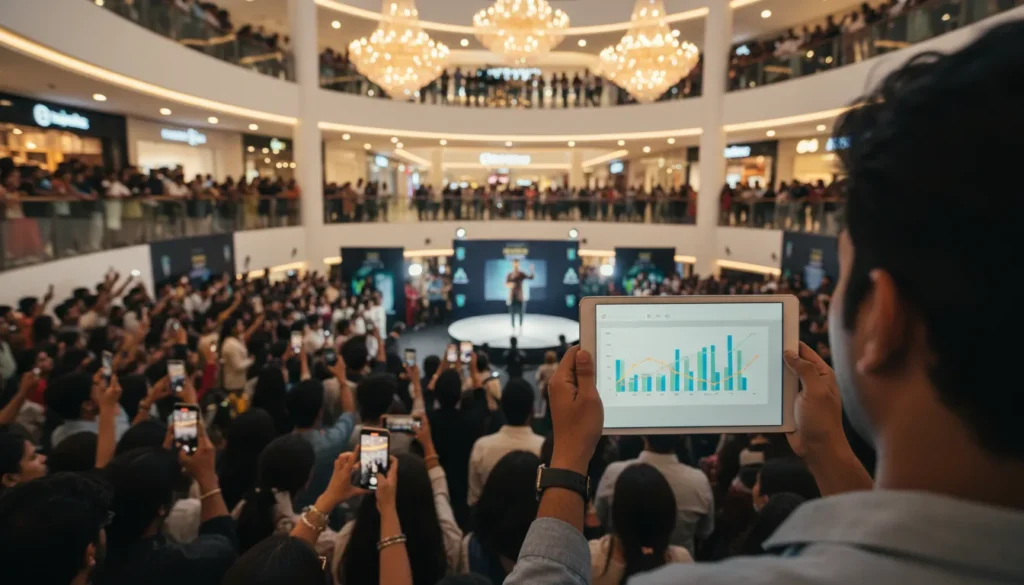
Launch week is when your influencer marketing strategy for a new brand hits its peak. You move from building curiosity to driving wide awareness and strong action. This phase uses a focused burst of content to fix your brand in its niche. Do not chase one-off mentions. Lean into storytelling instead. The goal is to make your brand feel like a movement.
Saturation and Multi-Platform Presence
Good influencer outreach for a brand launch often means several creators posting within a short window. This joint push can create a “big bang” effect across social feeds. You can test and adjust posting times using platform insights to improve reach.
- Nano and Micro Influencers: Build deep trust and strong sales in specific communities.
- Midsize and Macro Creators: Drive wide awareness and cultural “hype” around the reveal.
- Cross Platform Sync: Line up TikTok, Instagram and YouTube content to keep one clear brand voice.
This approach helps anyone learning how to launch a brand with influencer marketing. It also fits into an influencer campaign step by step guide for launch planning.
Integrating Live and Digital
A strong launch links digital stories with real-world moments. Regional pop-ups and launch events can connect screens with daily life. This mix creates content that feels real, local and easy to share.
- Local Landmarks: Ask creators to feature well-known local spots to make the content feel more regional.
- Live Amplification: Invite local influencers to host events and stream the experience.
- Paid Boosting: Promote the best posts with in-app ad tools to reach more people.
This plan helps your brand stay seen, heard and talked about across channels. Once you have people’s attention, the next phase moves to growth after launch. It also builds long-term support through work with influencers for brand awareness.
Phase 4: Post-Launch Momentum and Optimization
Keeping your influencer marketing strategy for a new brand working means looking past launch spikes. You need to stay visible all the time to build real trust. Do not rely only on one or two big names. Balance a mix of large and smaller creators. This helps challenger brands gain wide reach and returns they can track. The key is clear planning based on data.
Amplification via Paid Social
Free, organic reach is only the first step. Use paid social ads to extend the life and impact of strong creator content. Promote influencer posts from your own brand handle, and keep the message the same.
- Boost Top Content: Turn your best organic posts into paid ads.
- Extended Reach: Target chosen audience groups beyond a creator’s current followers.
- Authentic Feel: Ads that look and feel like normal posts often get more engagement.
This keeps your work with influencers for brand awareness going long after the first wave.
A/B Testing and Performance Tracking
Launching a brand well with influencer marketing depends on steady fine-tuning. Review results for each creator and each piece of content to see what works. Track engagement, clicks and sales to learn which groups bring the most value.
- Analyze KPIs: Compare results with your first launch goals and benchmarks.
- Test Formats: Switch between short videos, tutorials, carousels or lifestyle images.
- Scale Success: Put more money into the themes and creators that do best.
This kind of testing is a core part of any influencer campaign step by step guide. It helps you spend your budget on what truly works. With a strong feedback loop, your influencer outreach for the launch can grow into a loyal community.
Frequently Asked Questions
How many influencers do I need for a nationwide launch?
Aim for 10 to 60 creators to fill your niche. Use a mix of nano, micro and macro influencers. This balances wide reach with high conversion rates. Smaller creators build trust, while larger ones create impact.
What is the difference between a booking agency and a launch partner?
Booking agencies focus on finding and hiring talent. Elleven Media acts as a strategic partner. We give you the “how” by adding creative direction and results tracking. We build a full campaign plan for your brand launch.
How do I measure the ROI of a brand awareness campaign?
Track KPIs like the lift in brand awareness and engagement rates. Watch web traffic and email signups. Use a unique code for each creator to track sales. A/B testing different influencer tiers helps you scale the best formats.
Why is regional segmentation important for a nationwide strategy?
Cultural tastes and social habits differ by region. Shaping content to local norms builds more trust. Use regional micro-influencers to host local events. This creates a relevance that a single national message misses.
How long should a launch campaign last?
A three-phase approach usually runs for four to eight weeks. Use teasers, a launch week takeover and reviews. Then follow this with an always-on influencer marketing strategy. This keeps up the momentum and builds long-term trust.
Launch Your Legacy with Elleven Media
Successful launches in 2026 need an influencer marketing strategy for a new brand that is based on data. Knowing how to launch a brand with influencer marketing takes more than just booking talent. You need a plan built on stories and entertainment that drives real engagement in every region.
Unlike simple booking agencies, we give you a full strategic playbook for lasting impact. Partner with Elleven Media for a launch handled from start to finish that builds a truly loyal fan base across the country. Contact our expert team today to get started. Achieve total market saturation and measurable long-term brand success right now.
Conclusion
Launching a brand in 2026 takes more than a press release. You need an influencer marketing plan that is clear and based on data. Success comes from building a mix of creators at different levels. Combine nano, micro and macro influencers for the best results. Always adapt your message to fit the culture of each region. This builds deep trust across the whole country. Move through the phases of teasing, launching and improving. Do not just book talent. Instead, plan the full campaign. Use results tracking to scale what works. The most useful next step is to start with a written playbook. Partner with Elleven Media to match your data with clear goals. Their plan from start to finish makes sure your story connects everywhere. This base will help you build lasting brand value.
Sources
- Using Influencer Marketing to Launch a New Product
- Launch New Products with Influencer Marketing: Free Guide – Later
- HOW TO EXPAND TO NEW MARKETS WITH INFLUENCER …
- 2025 Influencer Marketing Strategy Guide – Strike Social
- 5 Steps to Creating a Successful Influencer Marketing Strategy
- What Is Influencer Marketing: A Strategy Guide for 2026 | Sprout Social
- Influencer Marketing Strategy: 5 Steps for 2026 – Brandwatch
- How to Launch a Product on Instagram